

Own Land but Not Sure What to Build? Start With a Builder Who Thinks Like a Developer
The right project for your land depends on zoning, market and money. A builder who has developed its own projects can show you the options before you spend on design.
The Developer-Builder Advantage: Why a General Contractor With a Development Mindset Protects Your Return
Most contractors are paid to build. A builder who also develops is measured by what the finished project is worth. That difference shows up in every decision.
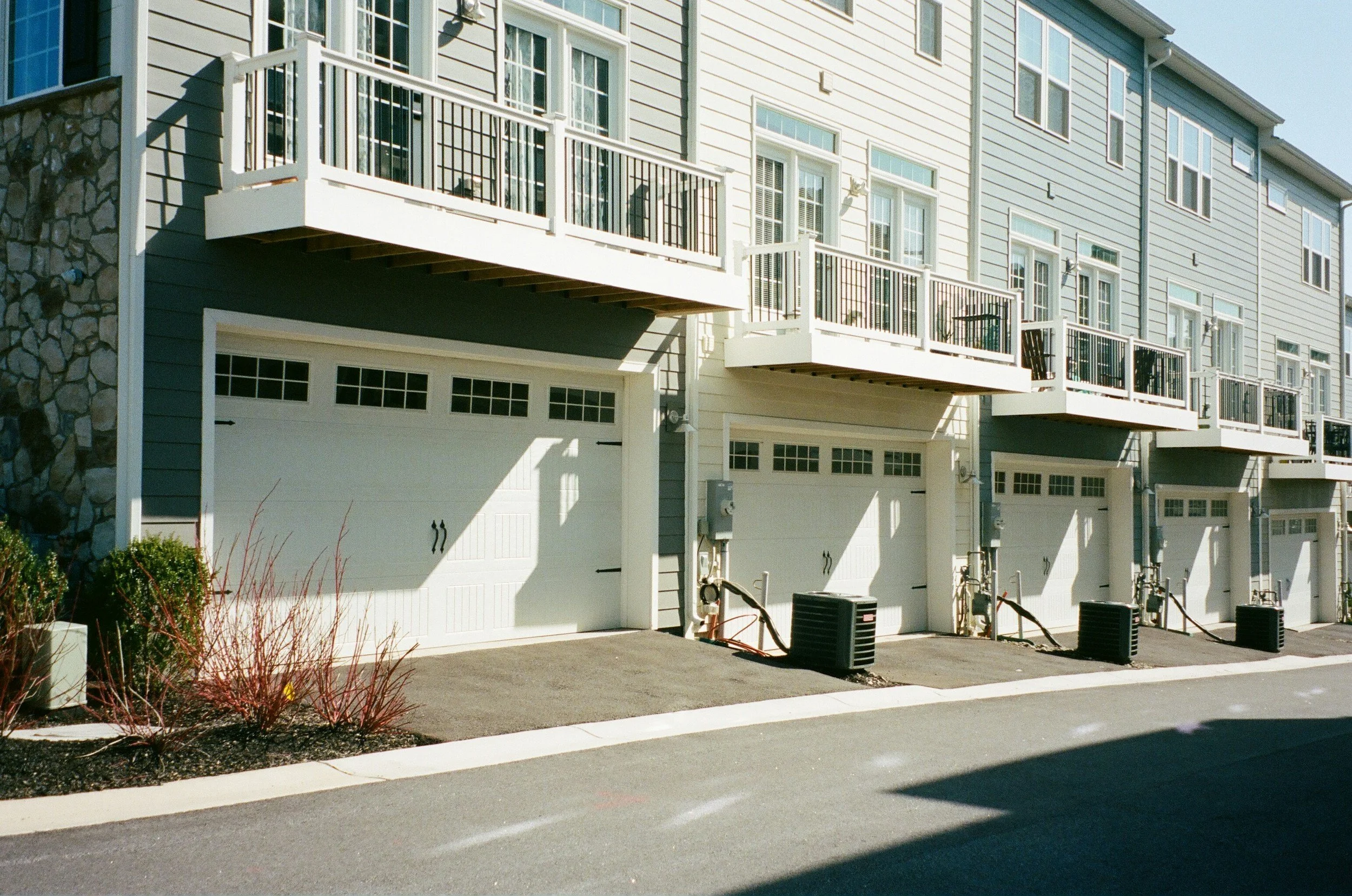
Condo Map or Townhome Map? How Subdivision Strategy and Defect Liability Shape Your Sale
How you divide a for-sale project determines what buyers own, how lenders finance it and how much liability you carry after closing.

Using EB-5 Capital in Your Capital Stack
EB-5 can fill the gap between your construction loan and your equity. Here is where it fits, how it is structured and what it takes to use it well.

GMP vs. Cost-Plus vs. Fixed Bid: Which Contract Protects a Developer Best?
The construction contract decides who carries the risk when costs move. Here is how the three common structures compare and when each one fits.

What Construction Lenders Want to See: Building a Loan-Ready Budget and Schedule
A construction loan is approved on the strength of your budget, your schedule and your builder. Here is how to put together a package a lender can say yes to.
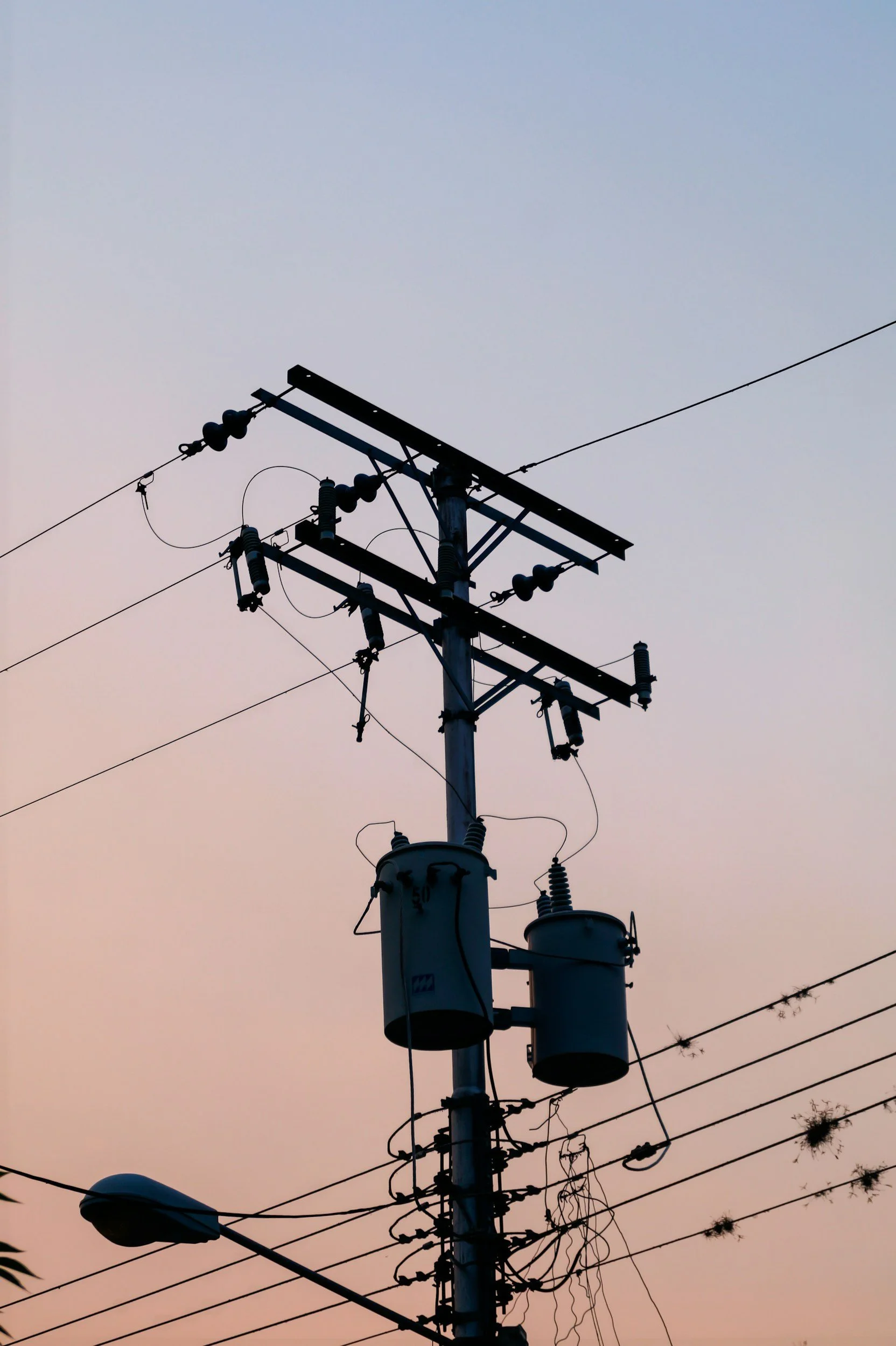
Working With SCE and City Utilities: Planning Electrical Service for Multi-Unit Projects
Power is one of the longest lead items on any multi-unit project. Here is how to plan electrical service so the utility is ready when your building is.
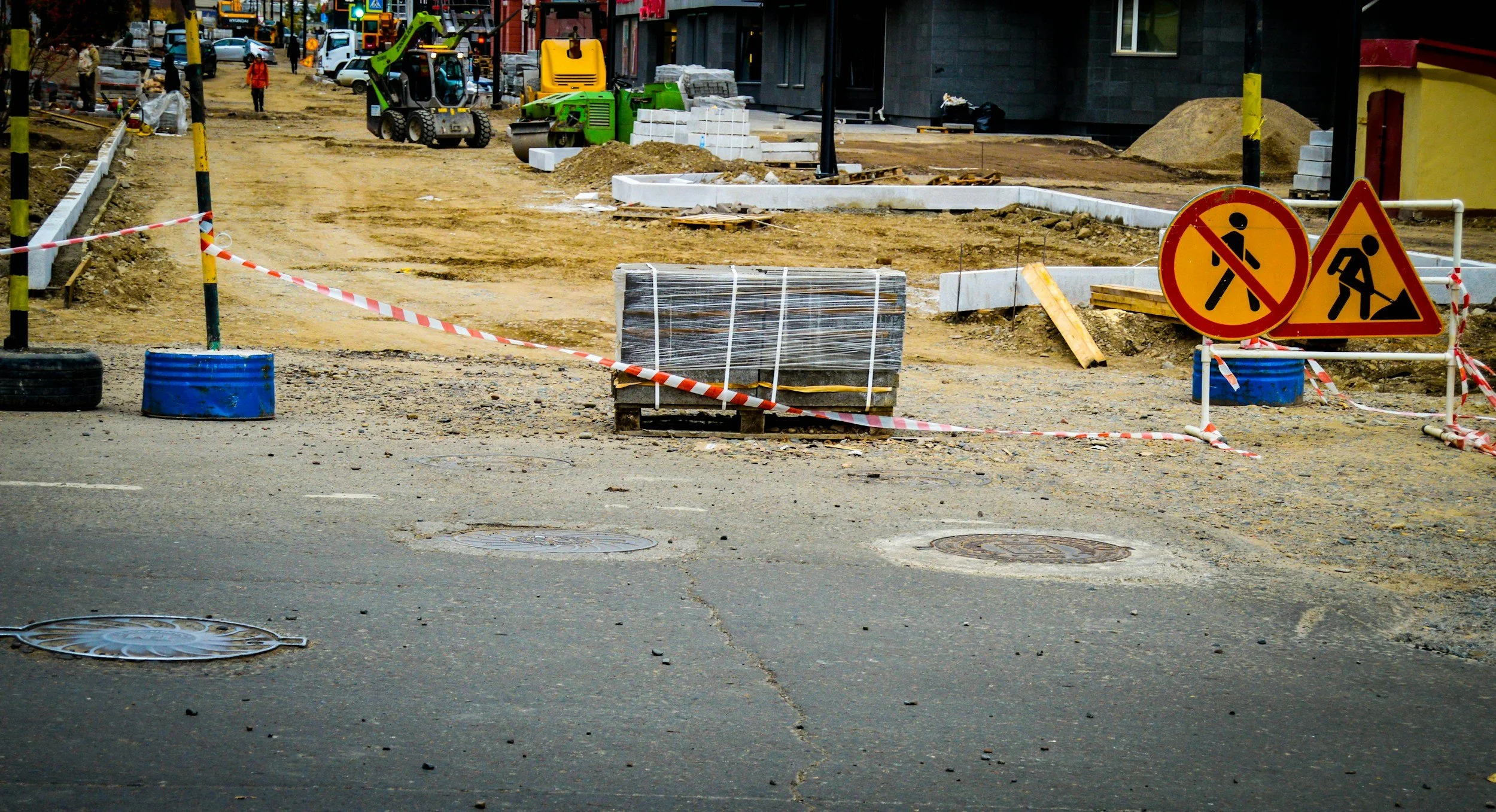
Offsite Improvements and Bonds: The Costs That Stall Projects Before the Permit
Street work, utility upgrades, bonds and deposits rarely appear in a first pro forma. They can hold up a permit or a final map for months. Here is how to find them early and budget for them.
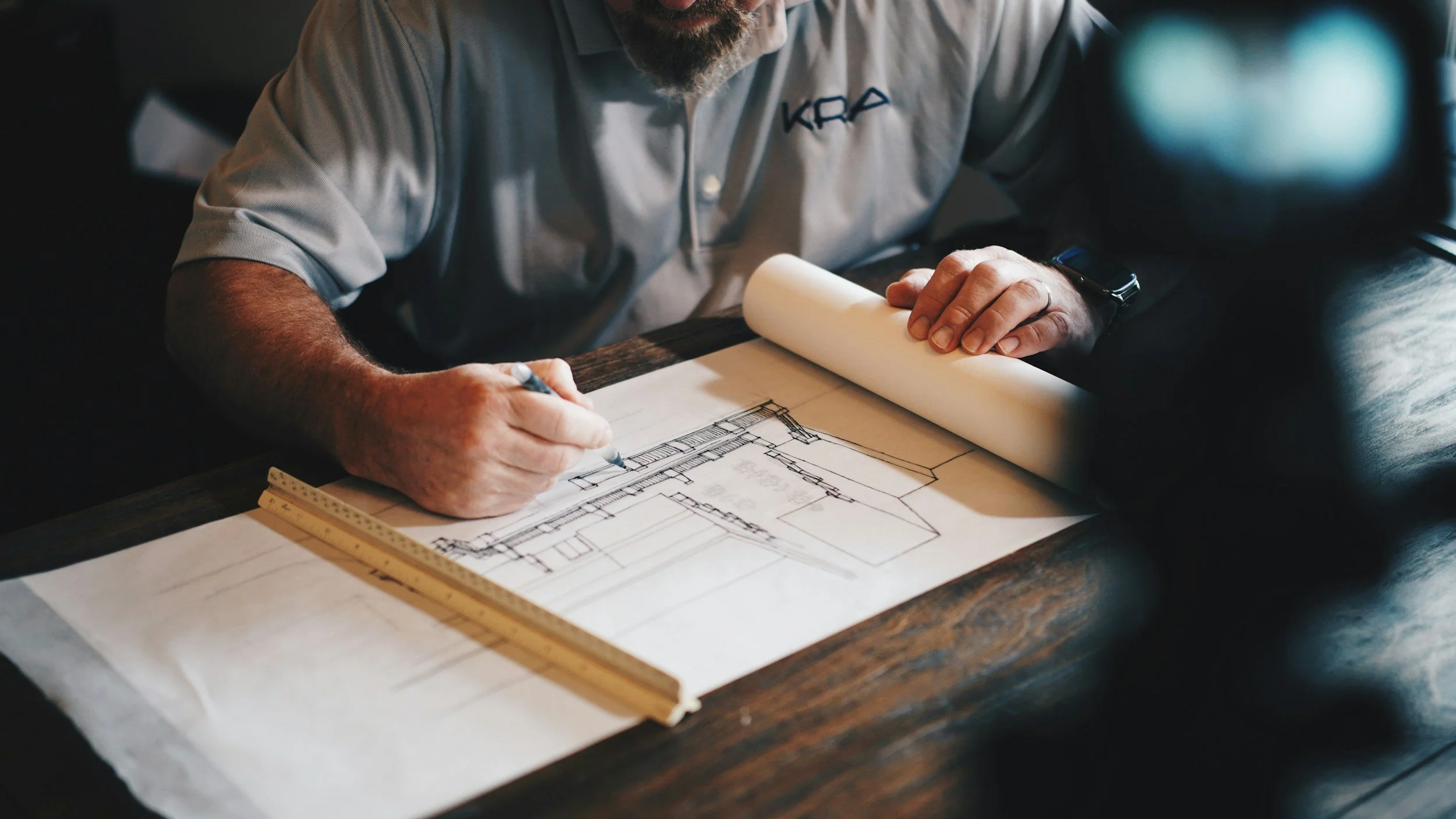
Ten Design Decisions That Quietly Drive Up Construction Cost
None of these look expensive on a floor plan. Together, they decide whether your bids land inside the pro forma or blow past it.
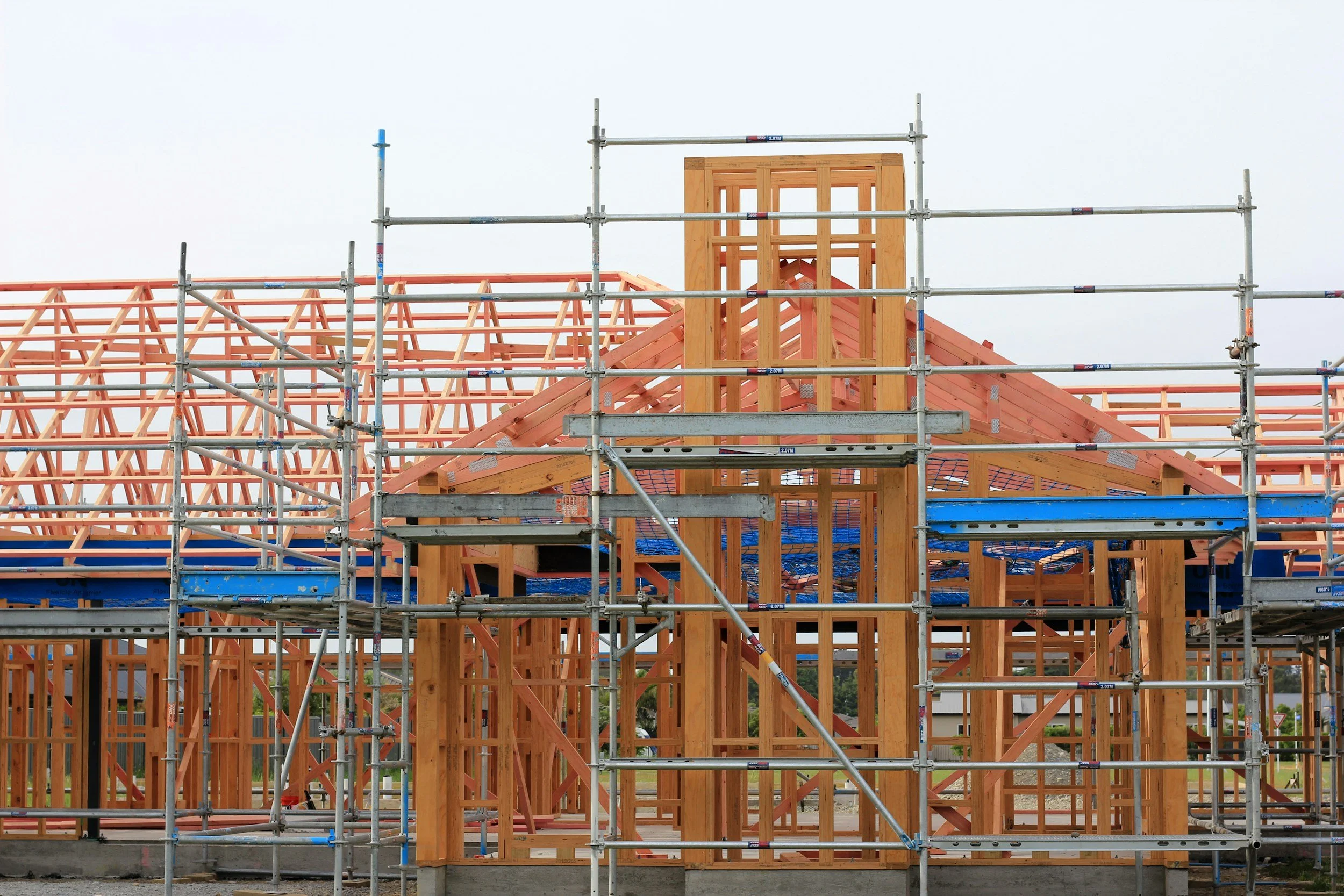
Type V Wood Frame vs. Podium Construction: Choosing the Right Structure for Your Pro Forma
Your construction type sets your height, your unit count, your schedule and a large share of your hard cost. Here is how to choose it before design locks it in.
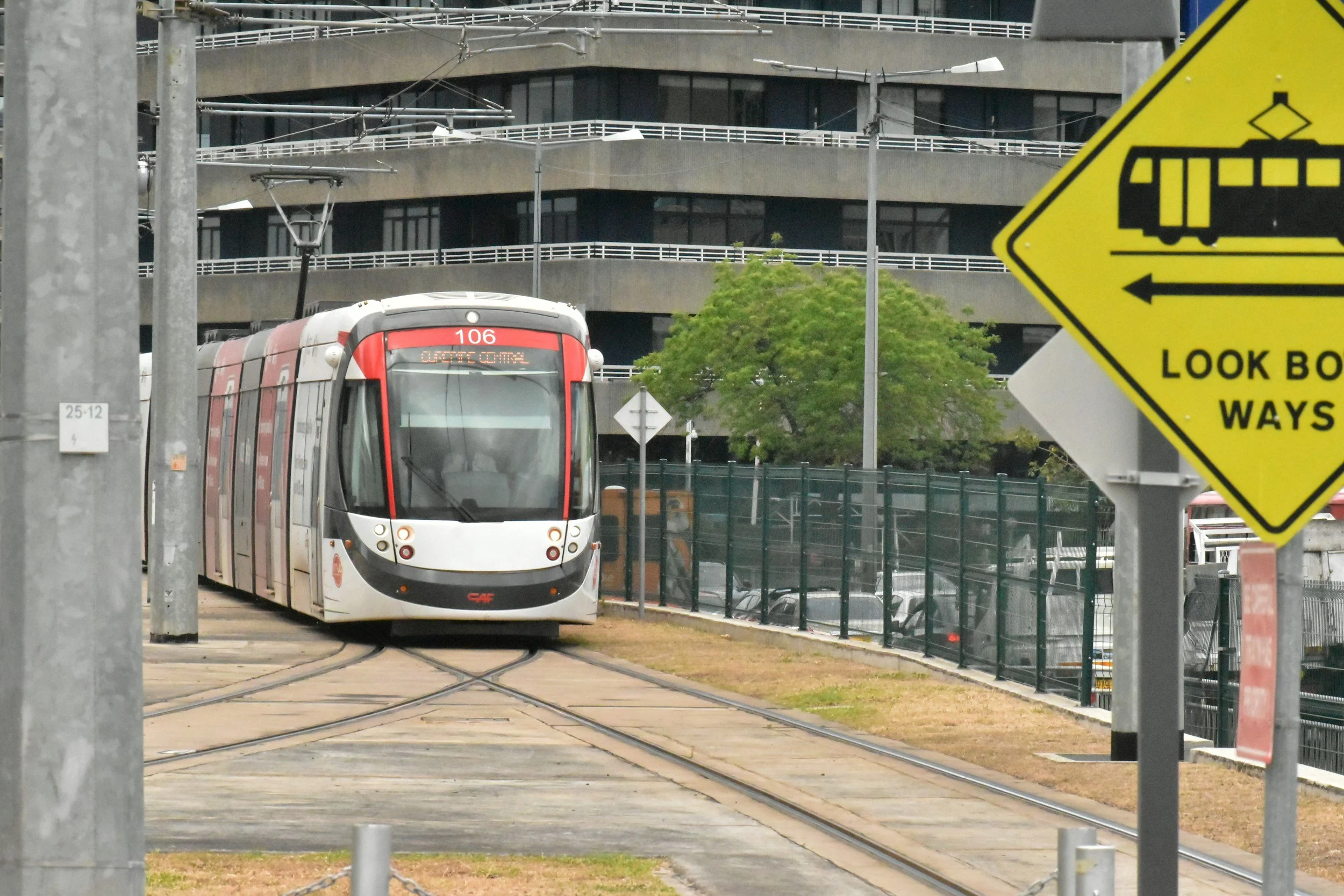
SB 79 and Transit-Oriented Sites: Which Lots Just Gained Value
California’s transit upzoning law took effect July 1, 2026. Here is who qualifies, what you can build and how to spot the sites that just changed.

Adaptive Reuse: When Converting an Old Building Beats Building New
Turning an office, retail or hotel building into housing can save time and avoid an entitlement fight, or it can turn into the most expensive project in your portfolio. Here is how to tell the difference before you buy.

Building Housing on Commercial Land: AB 2011 and SB 6
Two state laws let developers build housing on land zoned for offices, retail and parking, in many cases without a rezoning, a hearing or CEQA review. Here is what qualifies and what it costs to use them.
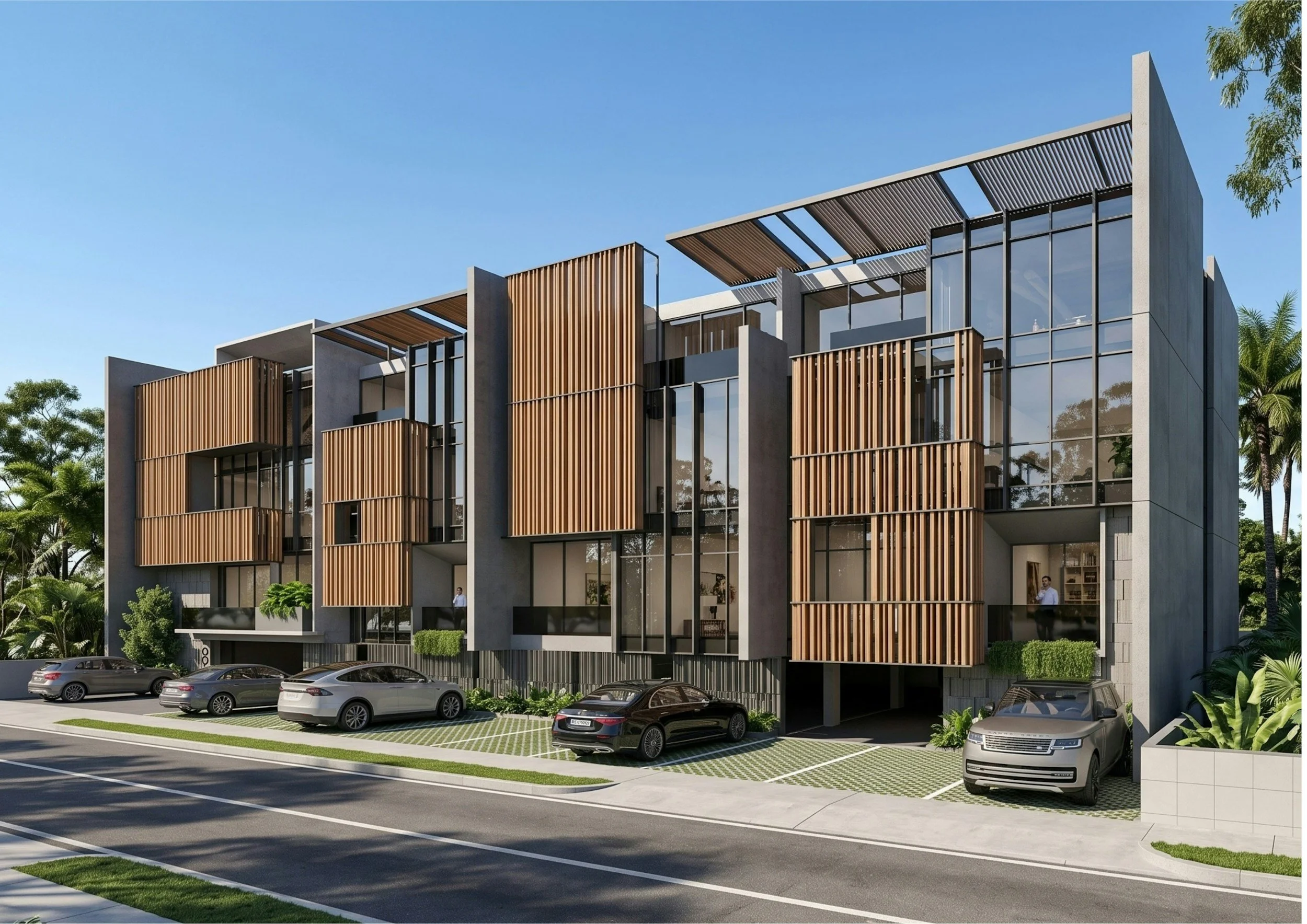
SB 684 Small-Lot Subdivisions: Building and Selling Up to 10 For-Sale Homes
California now lets developers subdivide qualifying lots into as many as 10 parcels and build for-sale homes with ministerial approval. Here is how the program works and how to build a project around it.
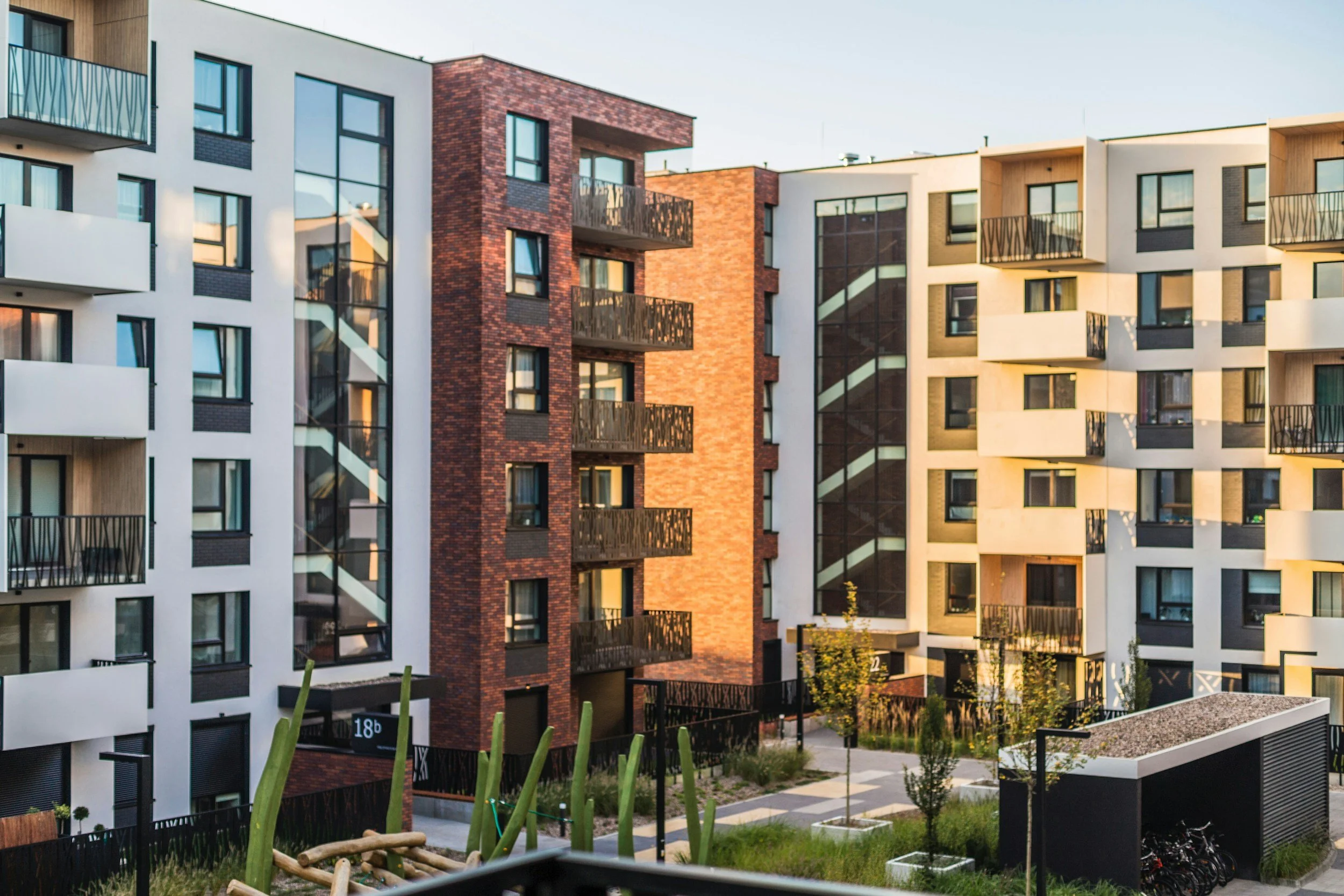
California’s Density Bonus Law, Explained for Small Developers
How a handful of affordable units can unlock more density, cost-saving concessions and less parking on your next project.

How to Underwrite a Site Before You Close
A developer’s due-diligence checklist: what to verify about zoning, utilities, fees and exit value before the deposit goes hard.